Project Overview
Optimizing E-commerce with AI-Driven Demand Forecasting
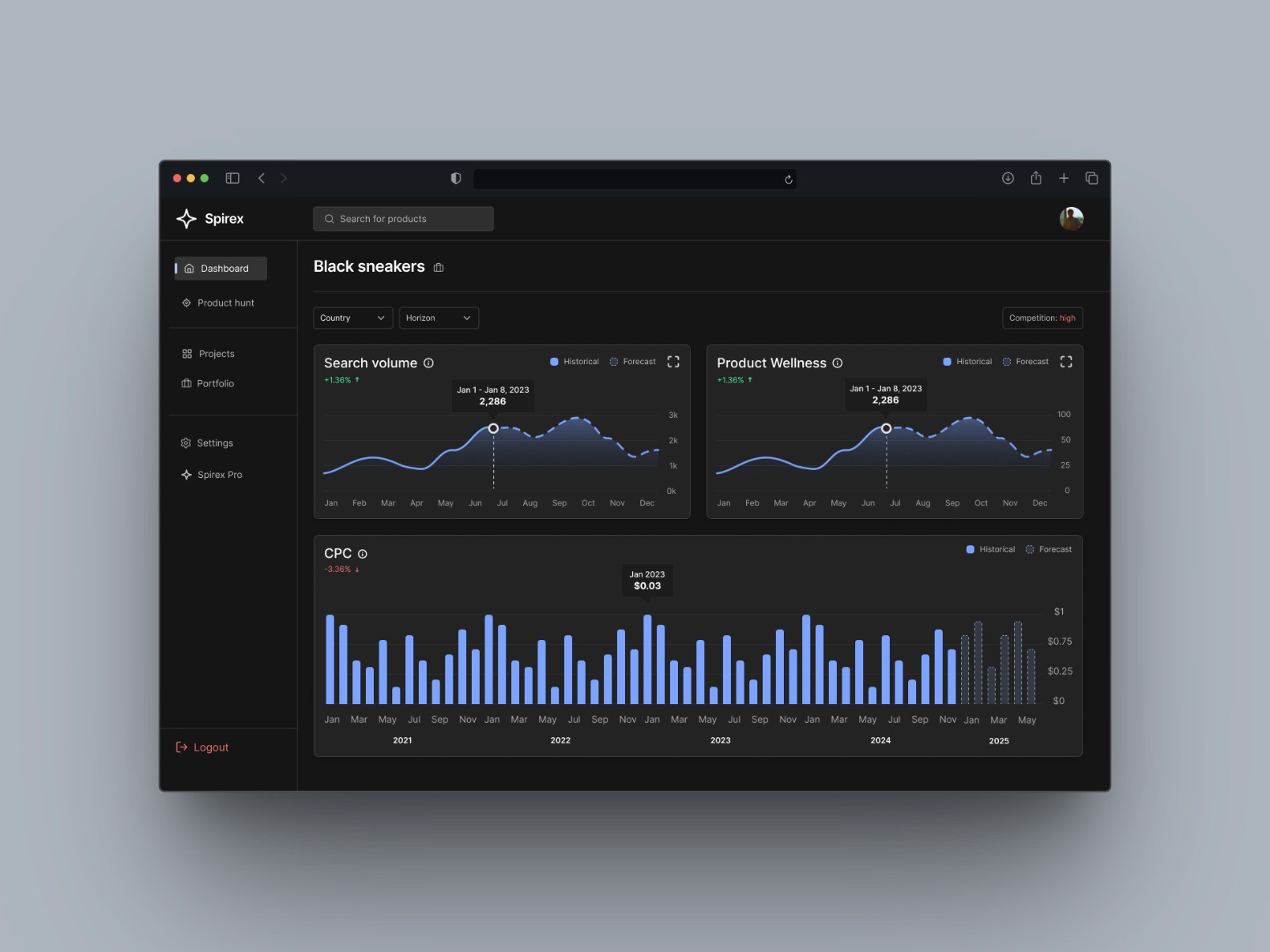
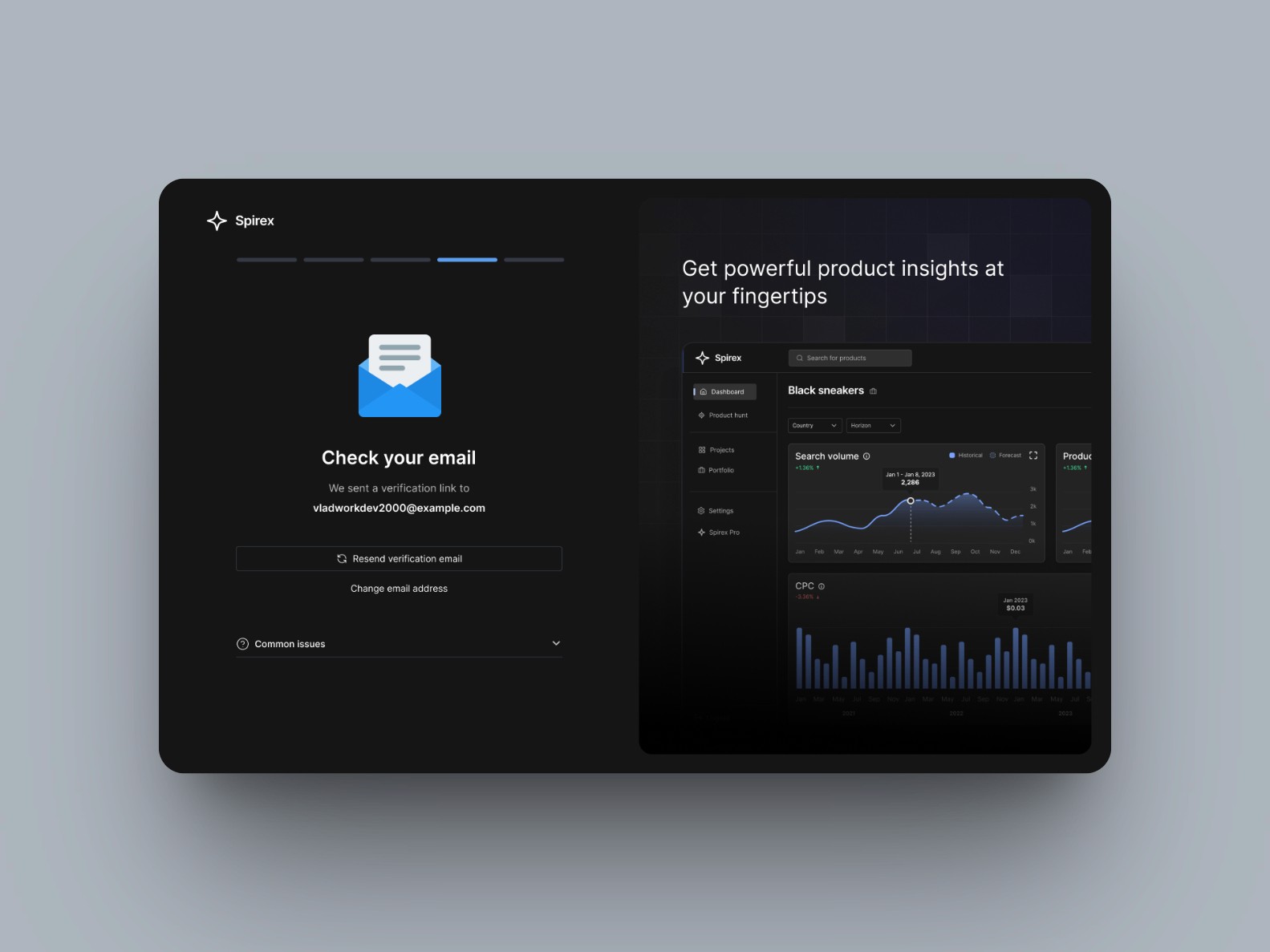
Spirex is an AI-powered demand forecasting tool that helps e-commerce businesses predict product demand, optimize their assortment, and improve their supply chain in just a few clicks.
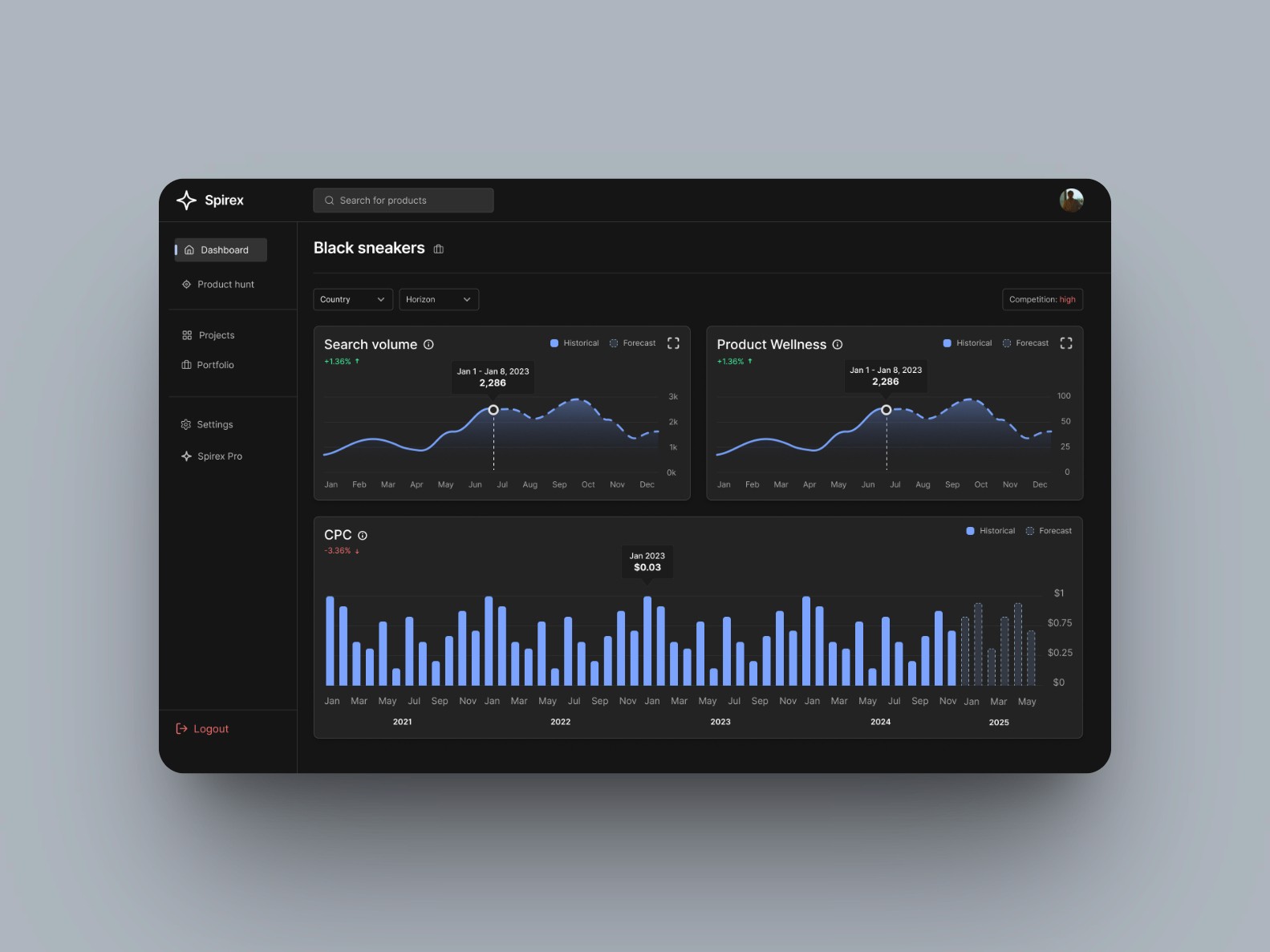
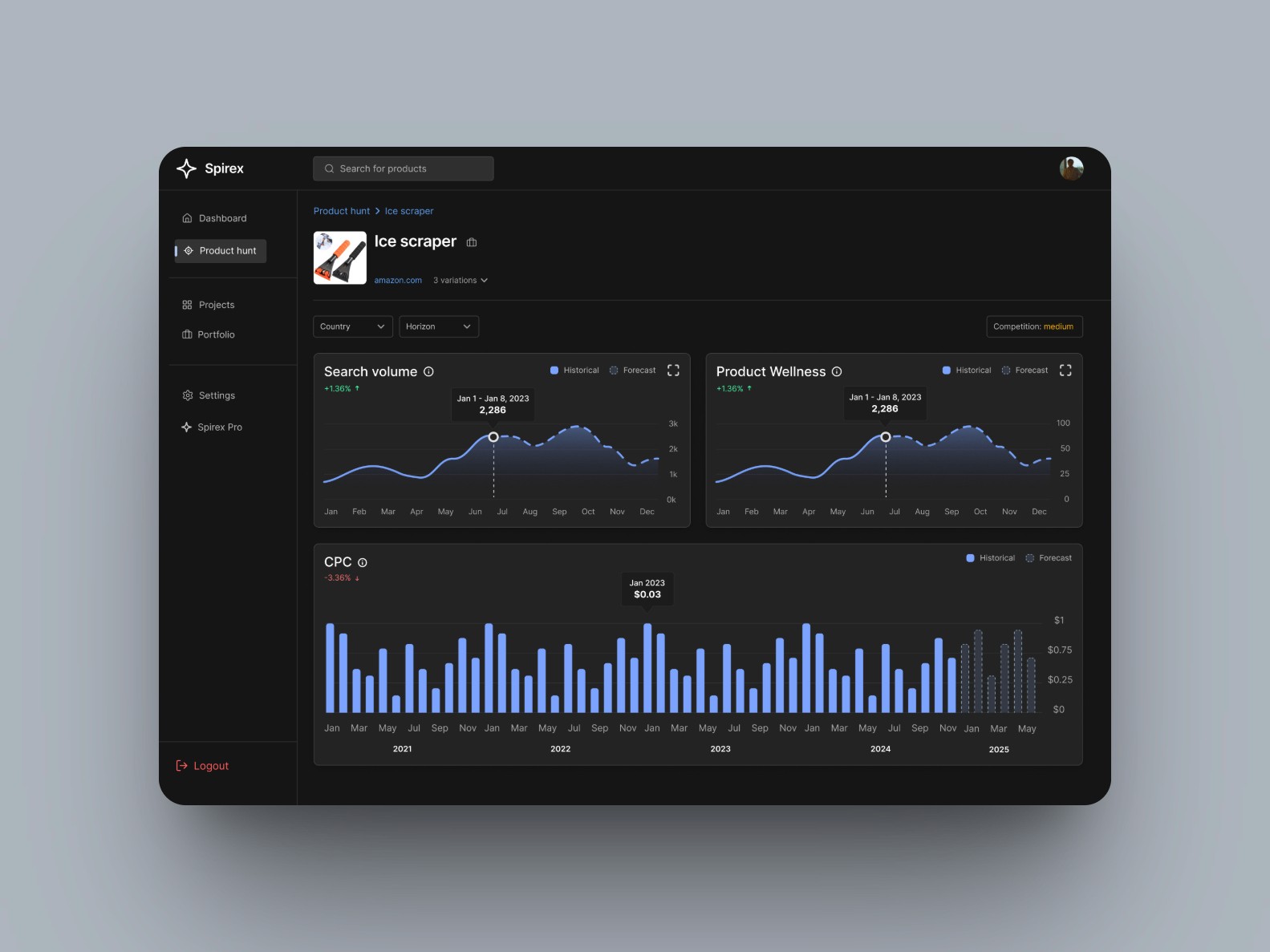
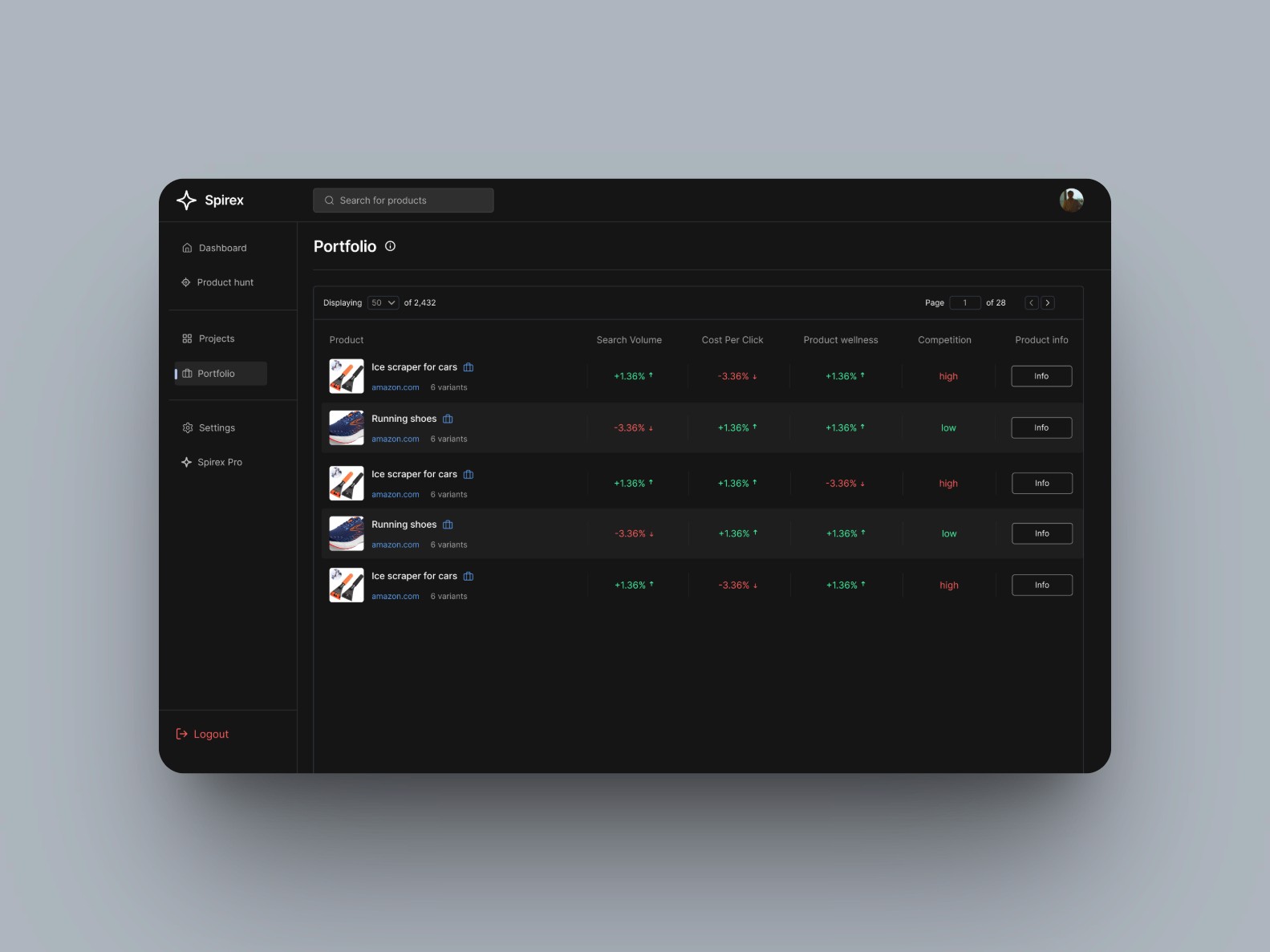
By forecasting key metrics like sales, search volume, cost per click (CPC), and competition rate, Spirex enables merchants to make informed decisions, without needing data analytics knowledge.
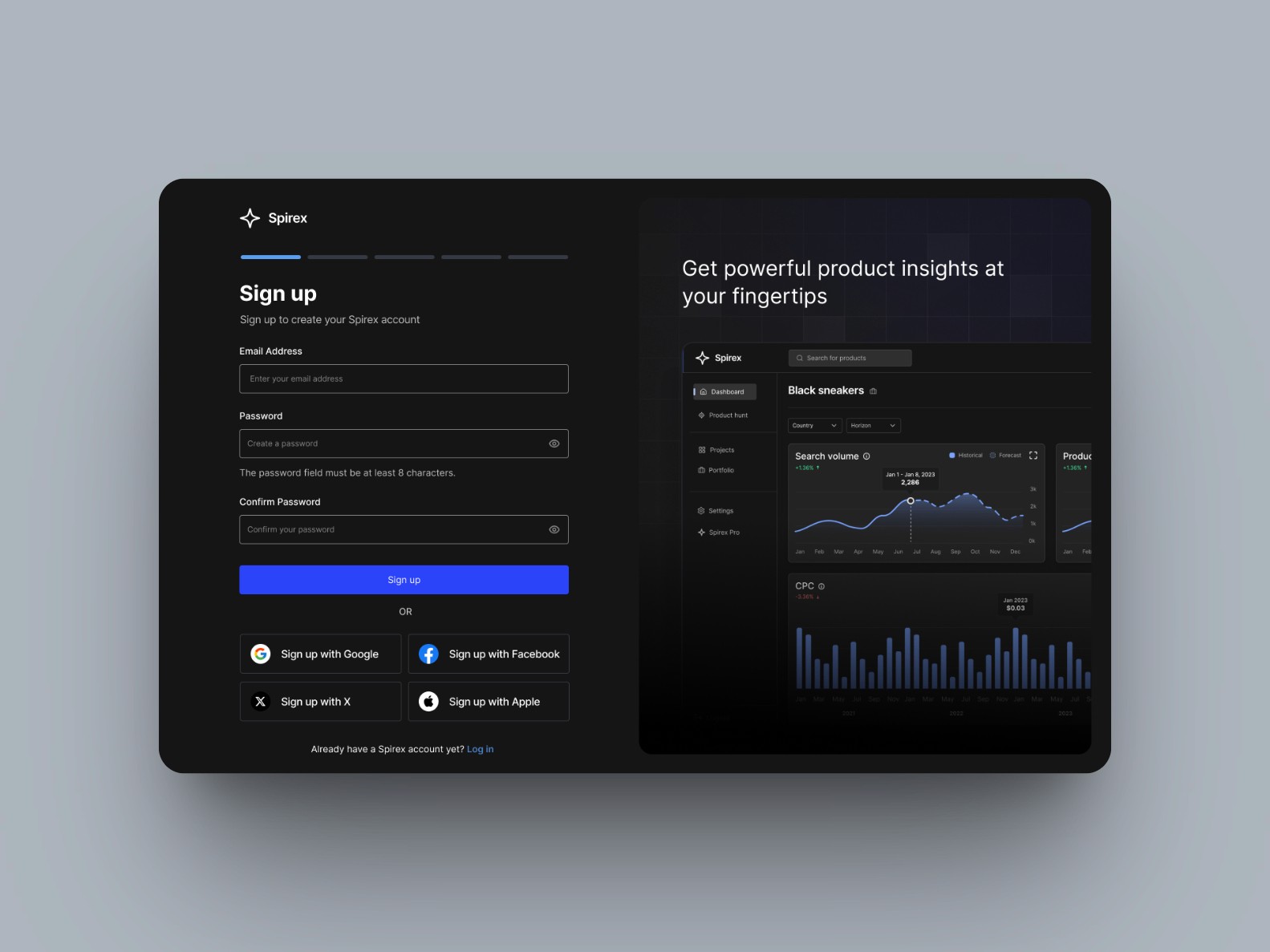
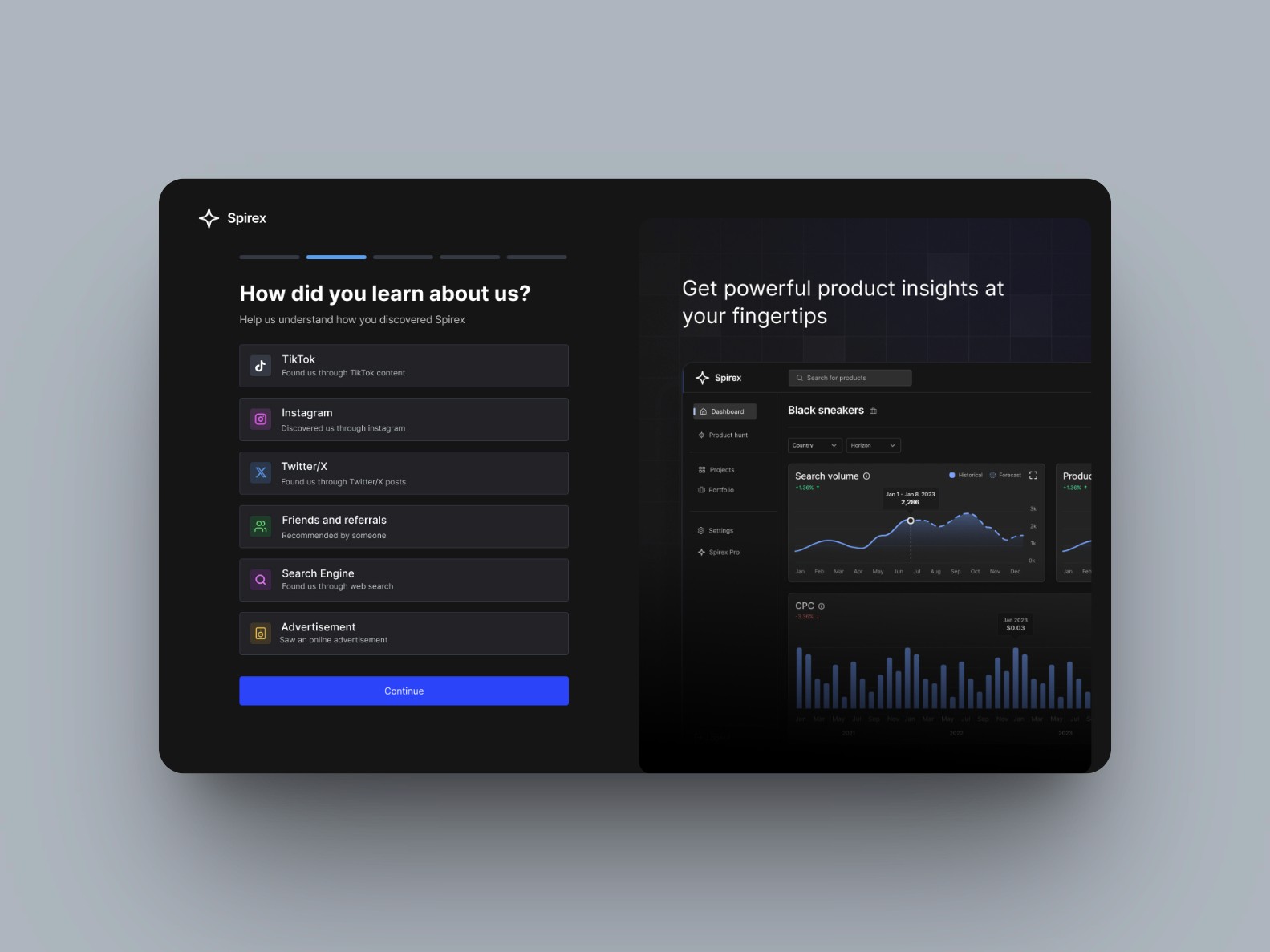
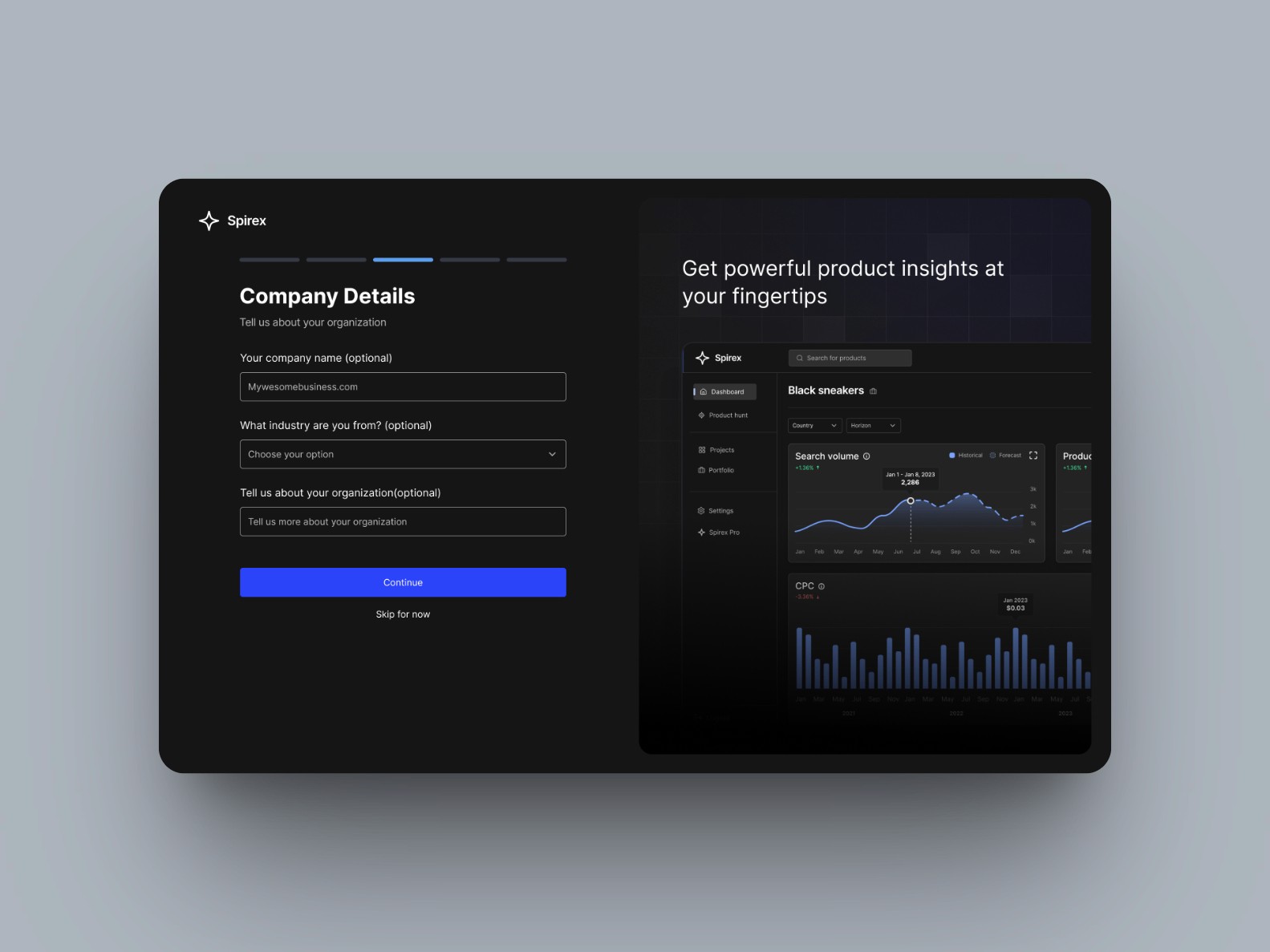
As the sole designer, I worked directly with the founder, Vlad, to lead the redesign of the B2C web app. I focused on clarity, accessibility, and usability, redesigning 30+ screens, building a design system, and simplifying the overall experience.
TL;DR: The goal was to simplify how e-commerce businesses forecast product demand by redesigning Spirex into a frictionless, AI-powered tool that predicts product trends, helping them optimize inventory, ads, and sales without needing data skills.
Opportunity
Position Spirex as the go-to AI tool for trend-driven e-commerce growth
The e-commerce space is fast-moving, competitive, and increasingly data-driven, but most small founders don’t have the time or resources to crunch numbers. Spirex is tapping into that gap by helping merchants forecast product demand without needing a background in data analytics. With no strong design foundation in place, I partnered directly with the founder to simplify the experience, improve usability, and build a cohesive visual direction that’s accessible and scalable.
What makes Spirex unique:
• Predicts demand across 4 key metrics (Sales, Search Volume, CPC, Competition)
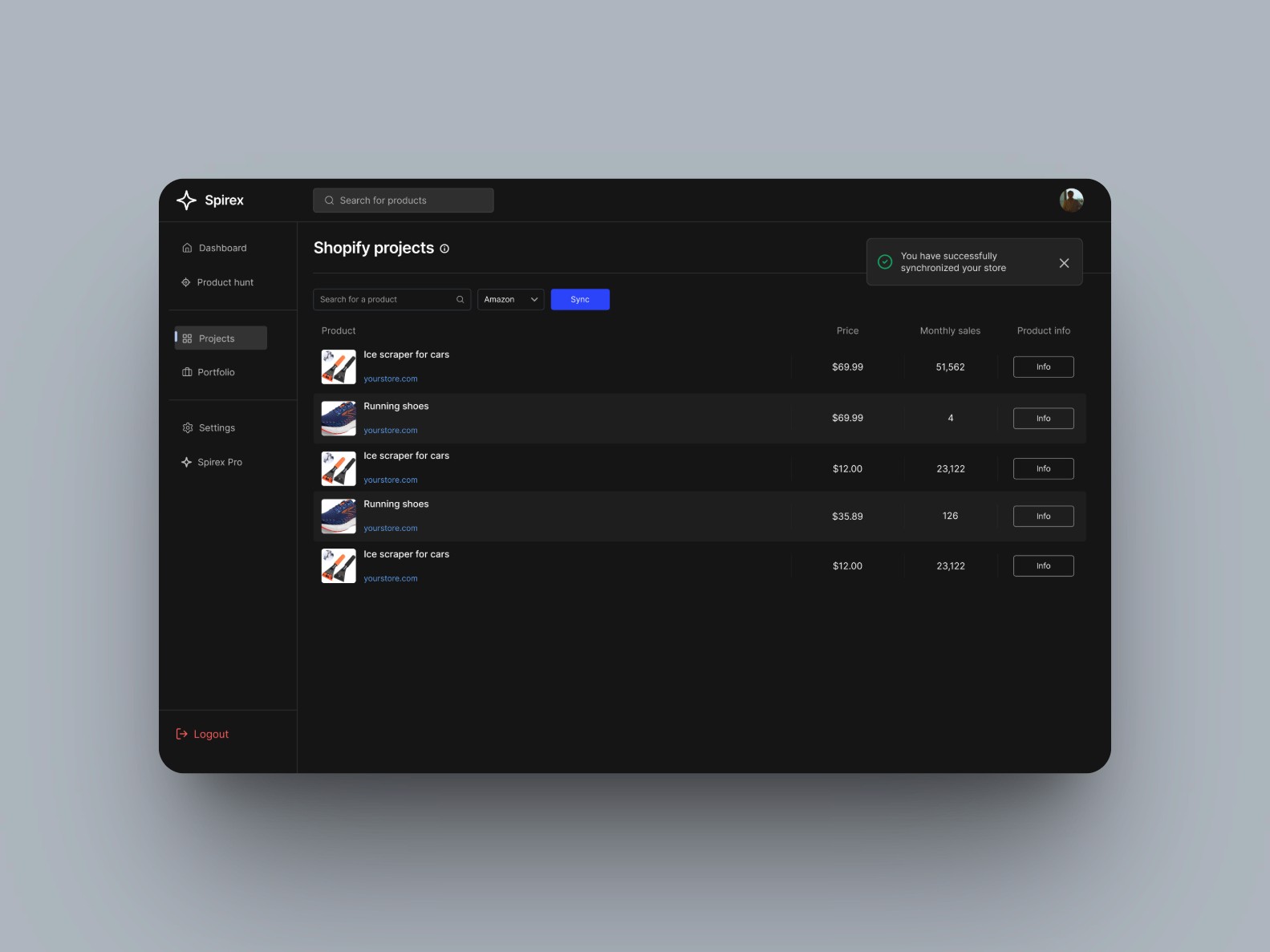
• Syncs seamlessly with Shopify & WordPress stores in 3 clicks
• Works across 300,000+ products in multiple industries and regions
• Requires no data analytics background to use effectively
The Challenge
Redesigning an Early Product with Friction Points
Spirex was at an early MVP stage. While the concept was powerful, the product had several usability and interface challenges:
🔴 The interface was overwhelming and visually inconsistent, with little structure or hierarchy
🔴 Users struggled to understand key metrics like CPC and search volume due to cluttered layouts and jargon-heavy content
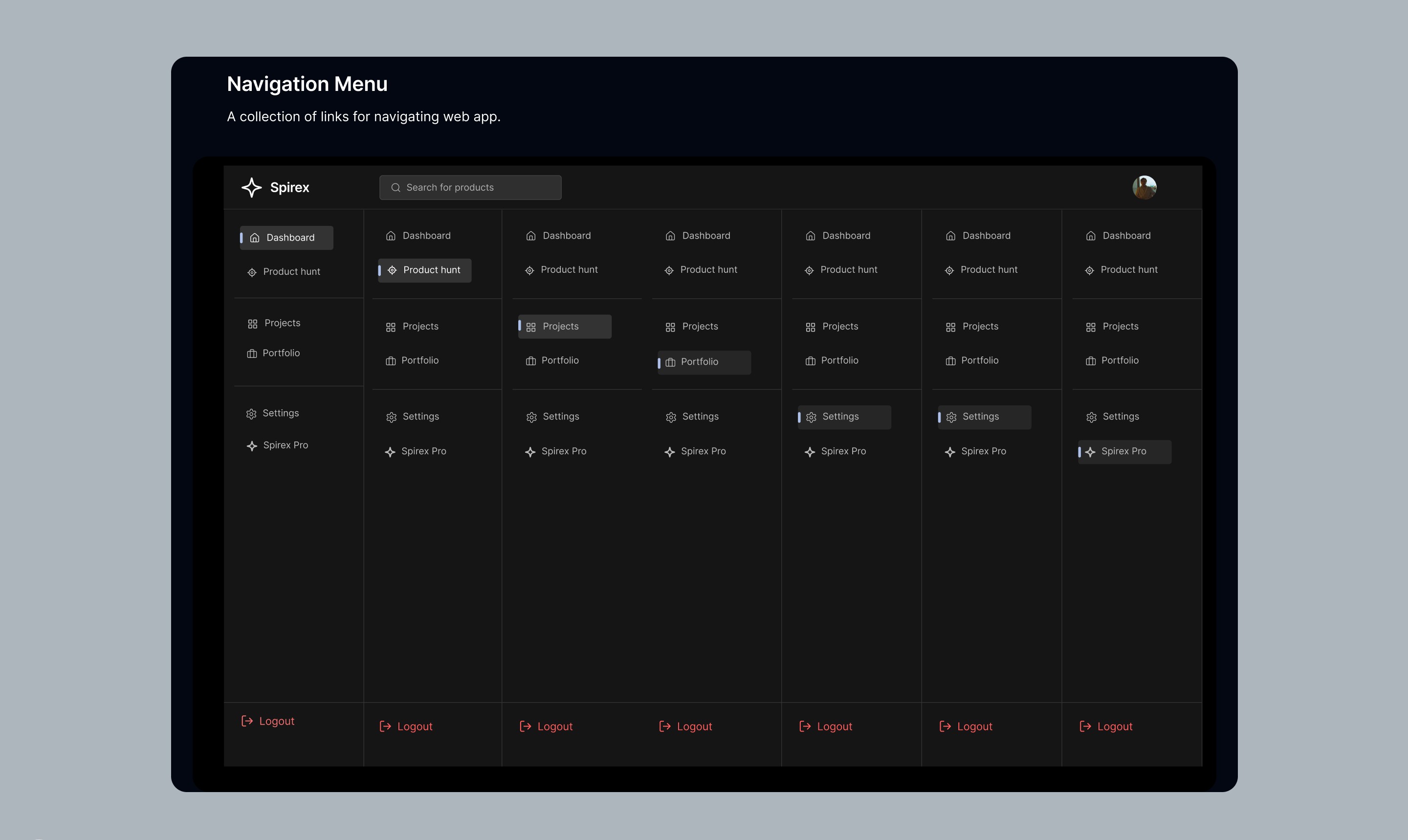
🔴 Navigation was unclear, making it hard for users to complete simple tasks like syncing their store or forecasting product demand
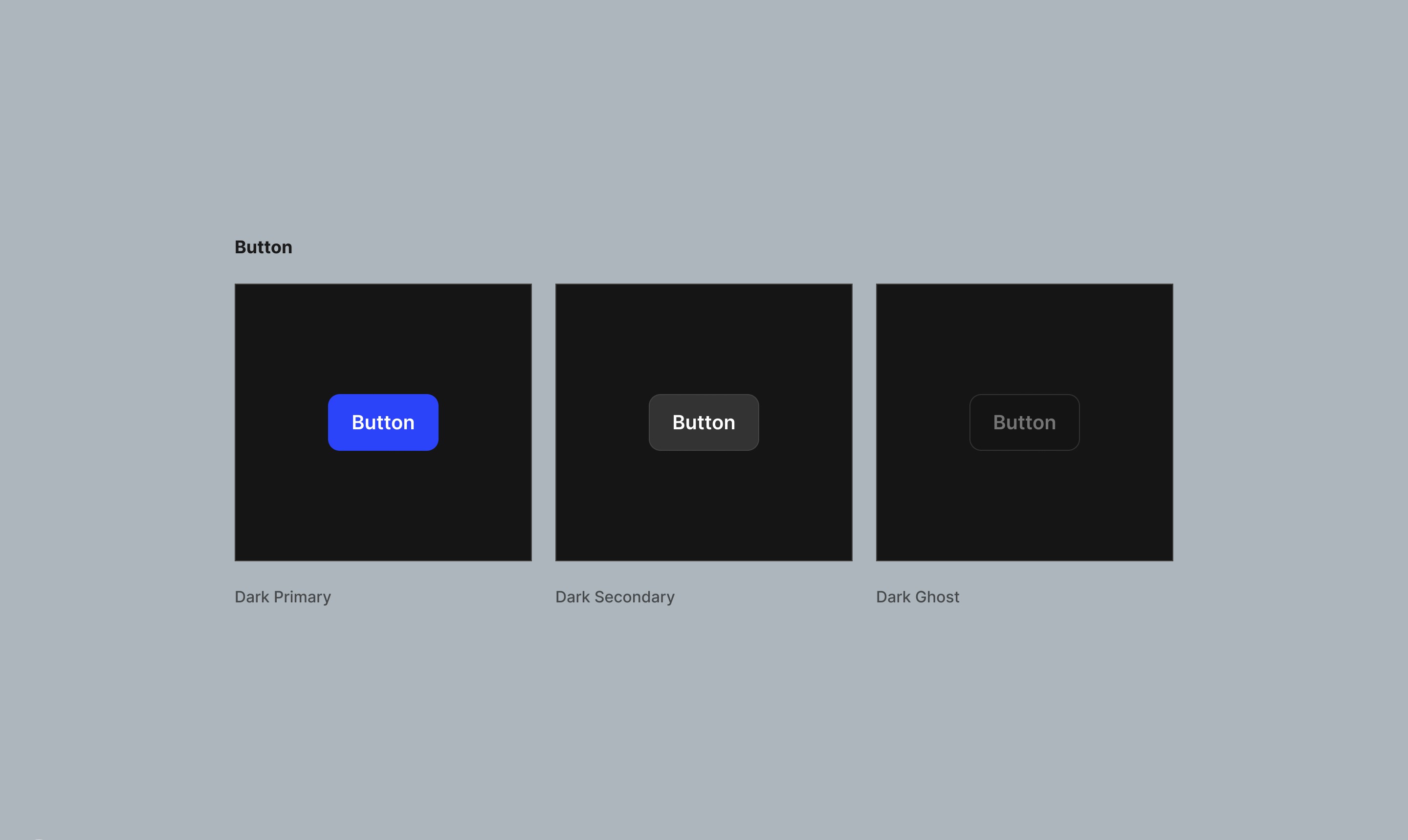
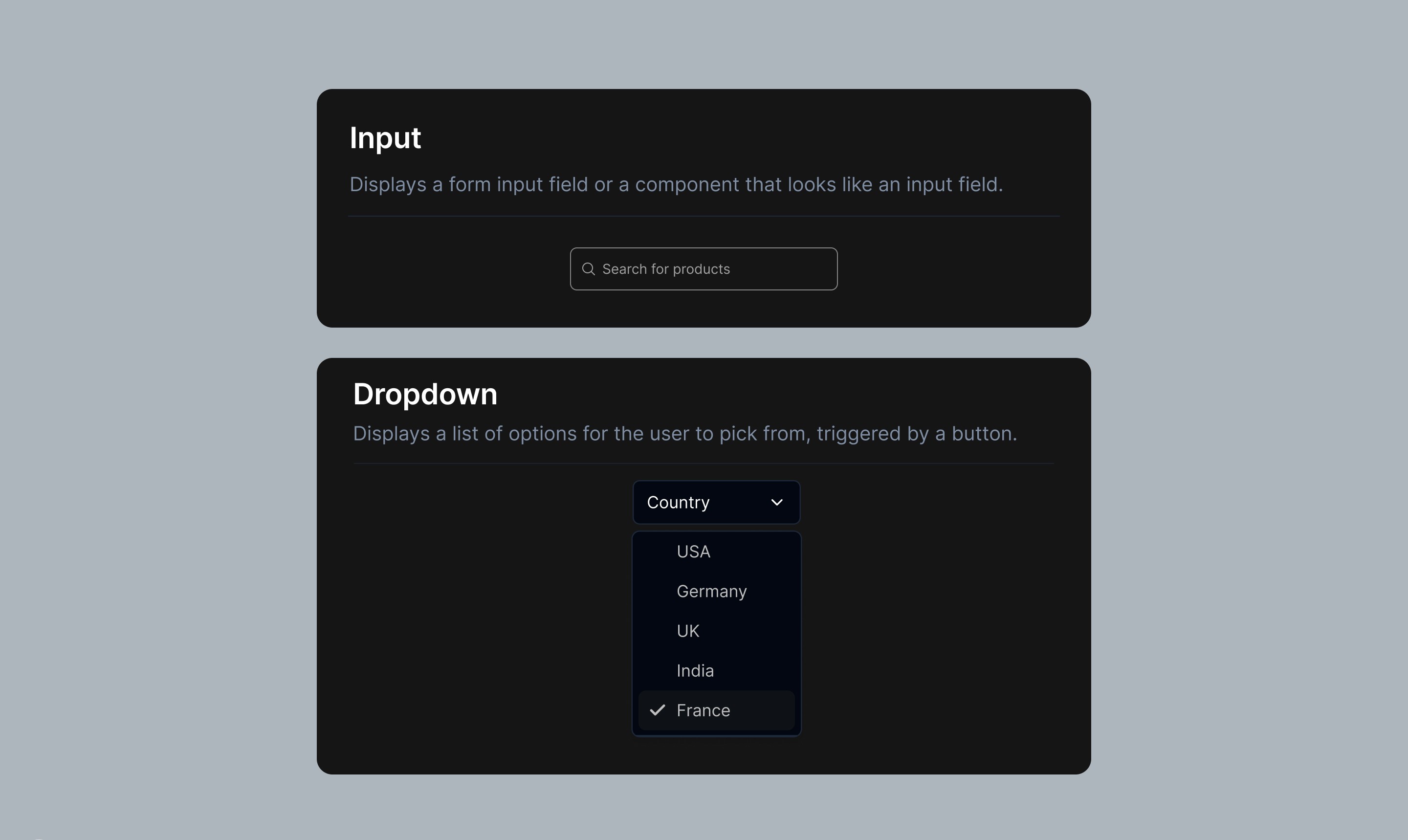
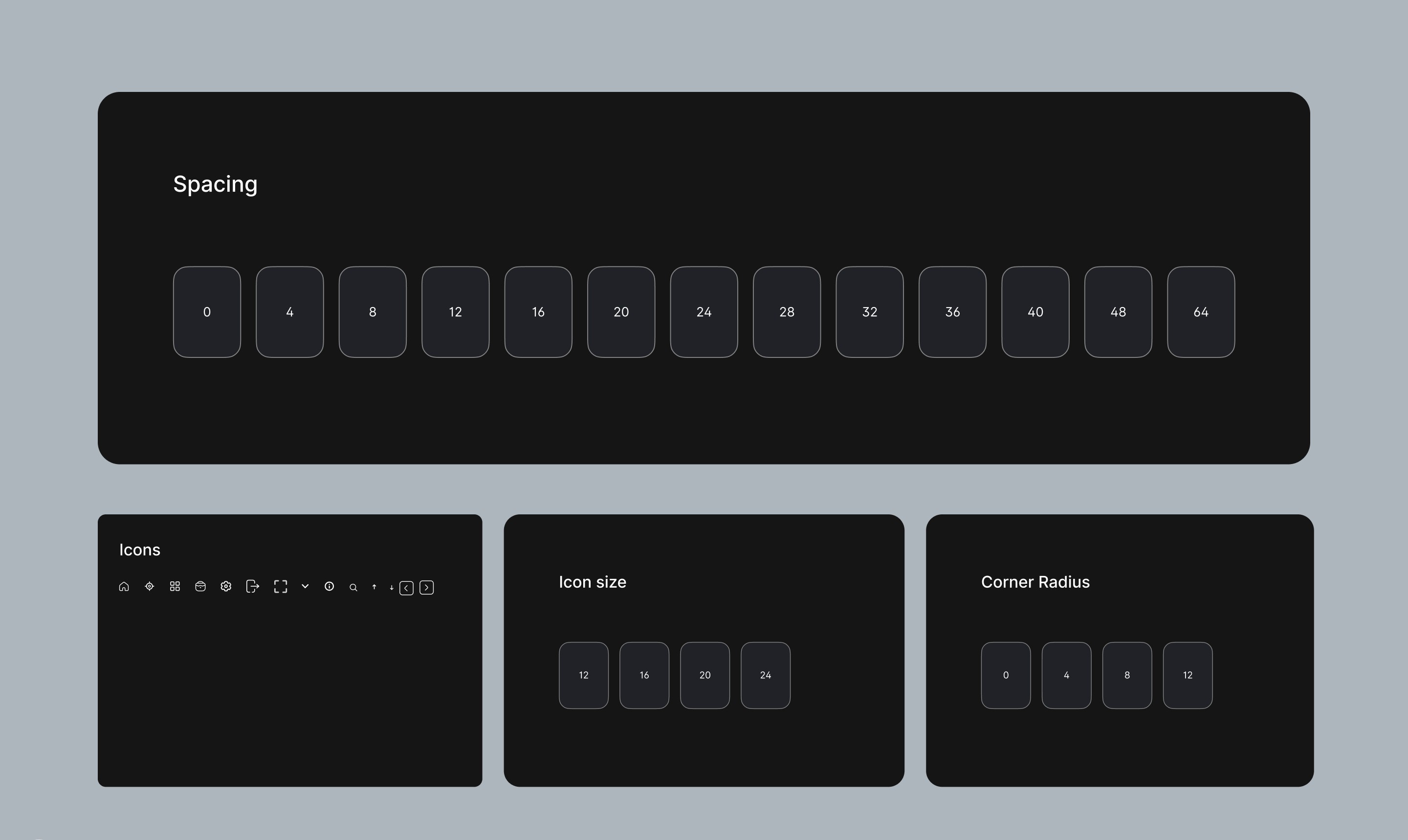
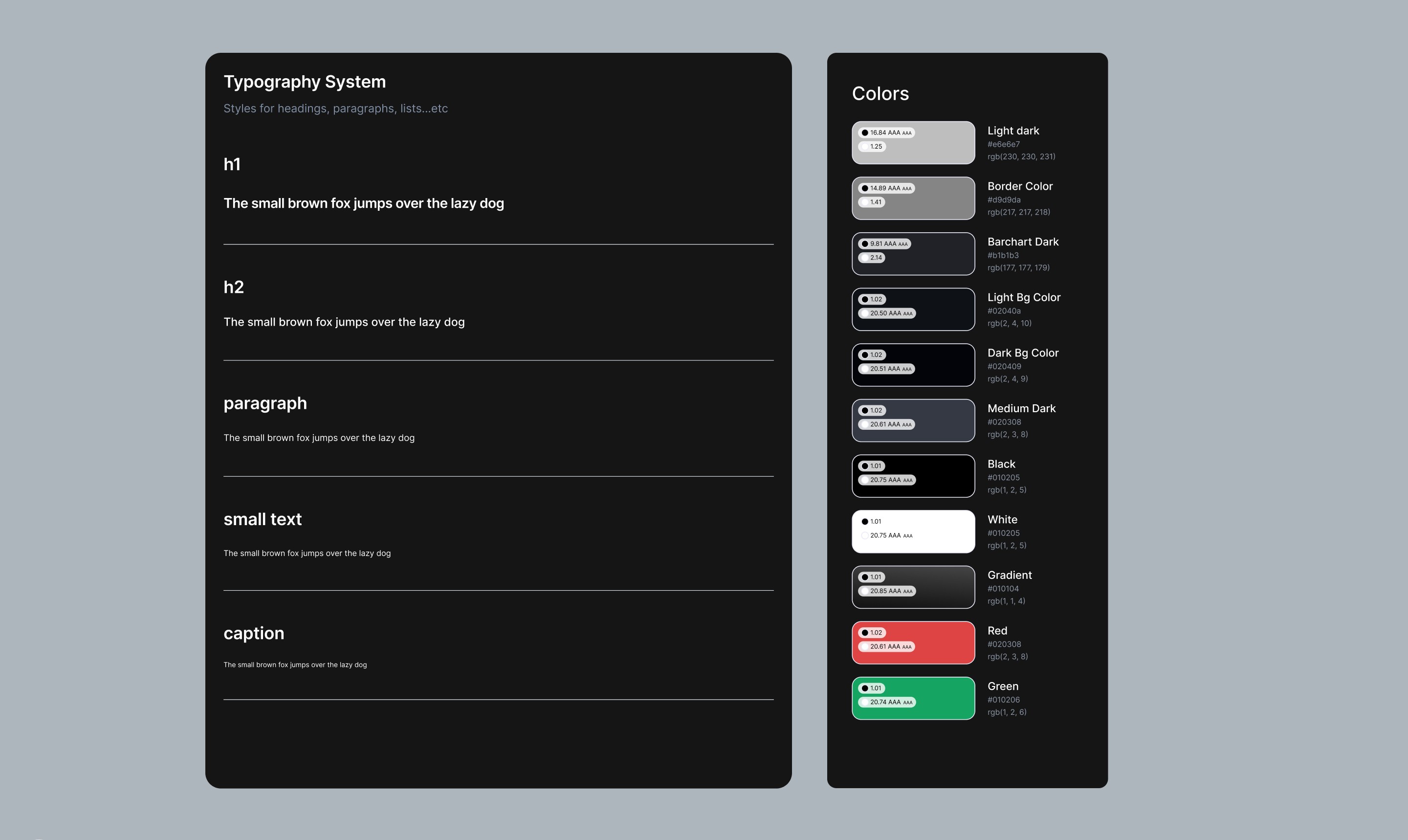
🔴 No design system meant inconsistencies in components like buttons, input fields, and spacing
🔴 Accessibility concerns — low contrast, poor feedback, and lack of affordance in clickable elements
My Process: A Lean Yet Impactful Redesign Approach
Since Spirex was still in development and moving fast, my approach was lean and iterative. Here’s how I worked:
Final Thoughts
By redesigning the UI, simplifying the UX, and building a strong design system, I helped Spirex create a more accessible, visually clear, and scalable AI tool for e-commerce merchants.
What’s next?
I’m currently working on the Spirex website, shaping its visual direction; but since it’s still in progress, I won’t be including it in this case study just yet.